Who Can Recover OT When the Controls Engineer Is Unavailable?
Plan for a qualified alternate who can use approved tools and access, with delegated operational authority—and distinguish a documented handoff from demonstrated recovery.
Name the alternate—and the decision-maker
Plan for a qualified, site-authorized alternate, not simply whoever answers the phone. Pair that person with someone authorized to make operational decisions when the usual approver is also unavailable. The useful question is whether those people can act using approved arrangements without relying on the absent engineer’s identity or memory.
The UK NCSC’s people-preparation guidance says critical response roles should not depend on one individual and recommends delegated decision-making authority when senior leaders are unavailable, including out of hours. For an OT owner, apply that distinction to two separate responsibilities: carrying out authorized technical work and deciding what operations permits.
If a loadout system stops while its usual controls engineer is unavailable, an alternate may need the approved engineering workstation, current engineering information and a named site decision-maker before proceeding. If the normal approver is unavailable too, define who may authorize the work and its limits. Otherwise, a technically capable person could still be left waiting while loadout remains stopped.
Choose the alternate against the actual work: familiarity with the equipment, understanding of the site’s procedures and authority for the assigned tasks. That might mean an internal engineer or an approved provider. Do not treat a name on a contact list as confirmation that the person has the necessary capability, permissions or availability.
Make the tools usable by someone else
For that loadout handoff, ask the proposed alternate to explain what they would need before starting. Identify the approved workstation and engineering software, any required license arrangements, the current project information and drawings, and the owner-approved procedures relevant to their role. Establish where those materials are held and whether the alternate is permitted to obtain them—not just whether the usual engineer knows where they are.
Look beneath the workstation as well. NCSC’s technical recovery guidance notes that most business services depend on shared infrastructure such as identity services, networking, storage and cloud connectivity. Ask which of those dependencies, if any, support this alternate’s tools and information, and what approved arrangements apply if they are unavailable. Do not assume every plant has the same dependencies.
Where a provider is needed, clarify who can request support, what authorization the provider requires and how the alternate reaches them. NCSC recommends identifying external recovery support and agreeing communications in advance, including arrangements for communicating when IT is unavailable. Keep the discussion focused on the provider’s part in this handoff rather than assuming a support contract settles every prerequisite.
Keep access personal and approved
NCSC’s OT connectivity guidance recommends granting only the permissions needed for the action and making human access user-aware so activity produces an employee-specific audit trail. Plan access for the alternate as an identifiable person with an authorized task—not as a substitute using the absent engineer’s login.
Ask the access owner to explain how the alternate obtains the necessary permissions and authentication factors through approved arrangements. Where credential retrieval is necessary, agree who authorizes release, how the requester’s identity is confirmed and how use is recorded. Keep credentials and recovery secrets out of the handoff notes themselves. Do not make borrowing an identity, disabling MFA or removing another protection the contingency plan.
A useful question is: “With the usual engineer absent, can this alternate obtain approved access without that engineer’s participation?” Treat an unanswered question as a dependency to resolve, not an invitation to improvise access during an outage.
Discuss one handoff before claiming readiness
Bring the alternate, operations decision-maker, access owner and any necessary provider into one focused discussion of the loadout handoff. Talk through who takes the call, what each person needs and which decision allows the next task to proceed. Record specific missing dependencies—such as an unresolved software entitlement or an absent delegated approver—with responsibility for resolving them.
Describe the outcome accurately: a discussion can clarify the proposed handoff and expose gaps; it is not evidence of successful technical restoration. Zeroday’s Critical Process Recovery Readiness reviews one agreed operational process and builds an ordered workpack connecting tasks, prerequisites and responsibilities. Its record distinguishes documented arrangements from demonstrated, failed and untested conditions. Exercises require separate scope, site authorization and appropriate technical providers; the review does not guarantee recovery.
If the handoff still depends on one person’s access or memory, discuss that specific dependency with Zeroday. It gives a scoped recovery-readiness conversation a concrete purpose: establish what the alternate needs, where operational authority sits and which unresolved prerequisites belong in the workpack.
Discuss Process Recovery Readiness
Sources
- Prepare your people
- Harden your OT boundary
- Prepare your technical recovery capability
- Critical Process Recovery Readiness
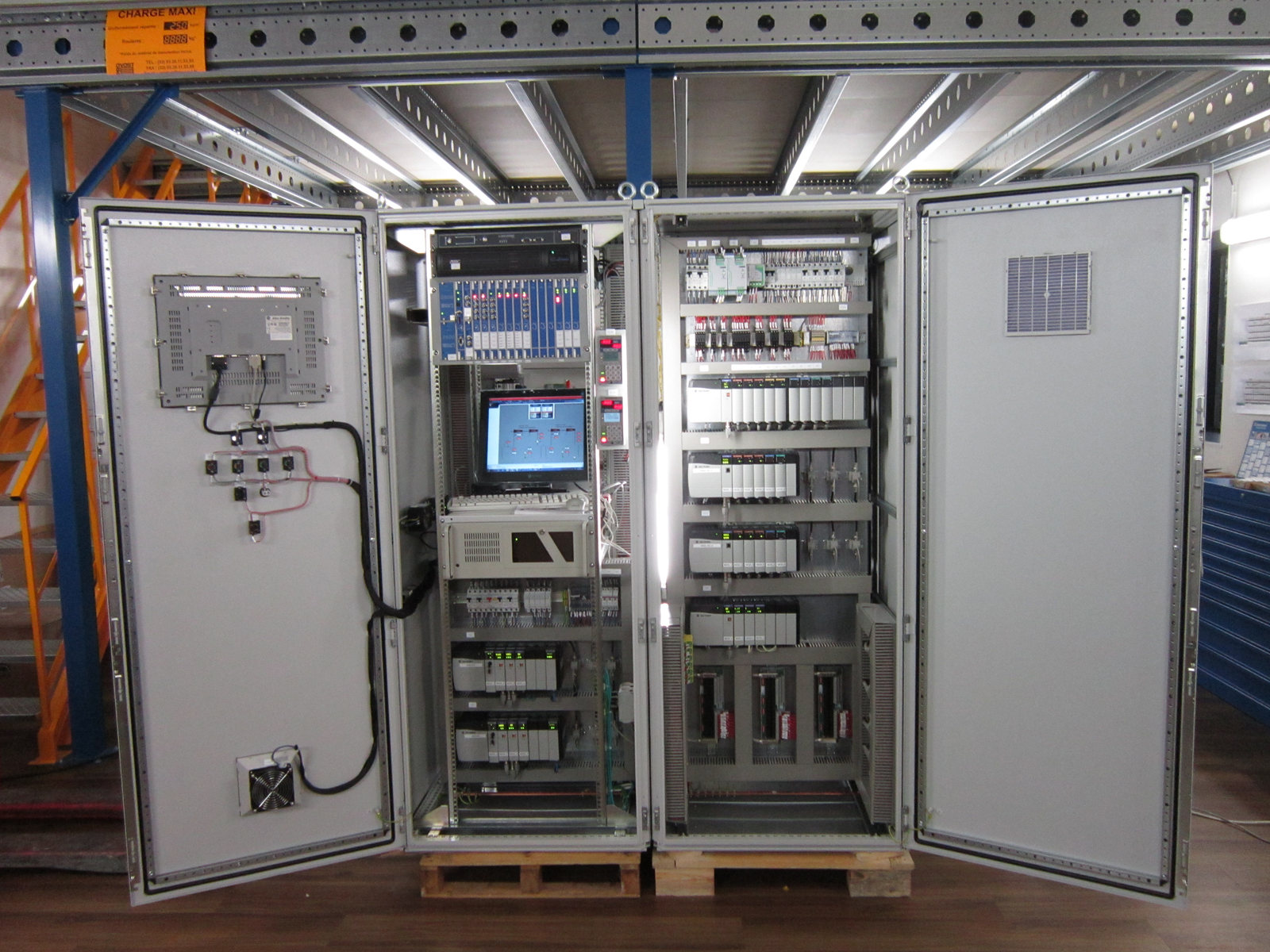
Photo: PLC Cabinet for centrifugal compressor — DWI (Wikimedia Commons uploader Mattcmoi). CC BY-SA 3.0. Resized for web delivery; original framing retained. Illustrative photograph.

